
Why Social Anxiety Is More Than “Just Being Shy”
“Social anxiety is one of the most common yet misunderstood mental health conditions, and that misunderstanding keeps many people from getting the help they deserve.”

You’ve probably heard someone describe themselves, a child, a partner, or a friend as “just shy.” Maybe you’ve even brushed off your own discomfort in social situations with that same label. However, there’s a meaningful difference between shyness and social anxiety disorder, and that difference matters.
In this blog, we’ll explore what that difference looks like, why social anxiety is so much more than a personality quirk, and what it actually takes to address it.
Shyness vs. Social Anxiety: What’s the Difference?
Shyness is a personality trait. It describes a tendency toward quietness or reserve in new or unfamiliar settings. It’s common, it’s normal, and for most people it doesn’t prevent them from living the life they want.

Meet Jamie
Jamie has always been on the quieter side. At parties, she tends to stick close to people she knows and needs a little time to warm up to new faces. Starting a new job or meeting her partner’s friends for the first time makes her a bit nervous, but once she’s comfortable, she engages fully and the discomfort fades on its own. Jamie doesn’t lose sleep before a dinner out. She doesn’t replay conversations the next morning looking for signs that she embarrassed herself. She’s shy, and it works fine for her.
What’s worth noticing about Jamie is what isn’t happening. She feels some discomfort, but it passes. It doesn’t follow her home or show up before the event even starts. She isn’t managing her behavior around the anxiety, scanning for exits, rehearsing what she’ll say, or finding reasons not to go at all.
Her shyness is part of who she is, but it isn’t running the show.
Social anxiety looks different. For people who struggle with it, the discomfort doesn’t quietly resolve. It builds, persists, and starts shaping decisions in ways that are hard to ignore. The nervousness isn’t just a feeling that passes. It’s accompanied by a whole set of thoughts, predictions, and self-monitoring that kick in long before the situation even arrives, resulting in negative impacts across domains of life, including work, relationships, and daily functioning. And that’s what makes it a clinical condition rather than a personality style.
What Social Anxiety Actually Looks Like
Social anxiety disorder (SAD) involves an intense, persistent fear of social situations, specifically the fear of being judged, embarrassed, or humiliated by others. For people with social anxiety, even routine interactions can trigger overwhelming dread. This might mean dreading simple conversations with coworkers, avoiding phone calls, turning down opportunities to avoid exposure, or feeling “on stage” whenever other people are around. Physical symptoms like a racing heart, nausea, and flushing are common too, and they often become their own source of embarrassment.
The keyword is avoidance. While Jamie might feel nervous at a party, but still go, someone with social anxiety may avoid it entirely and then feel shame, isolation, and temporary relief all at once. That relief is part of what makes the anxiety so persistent.
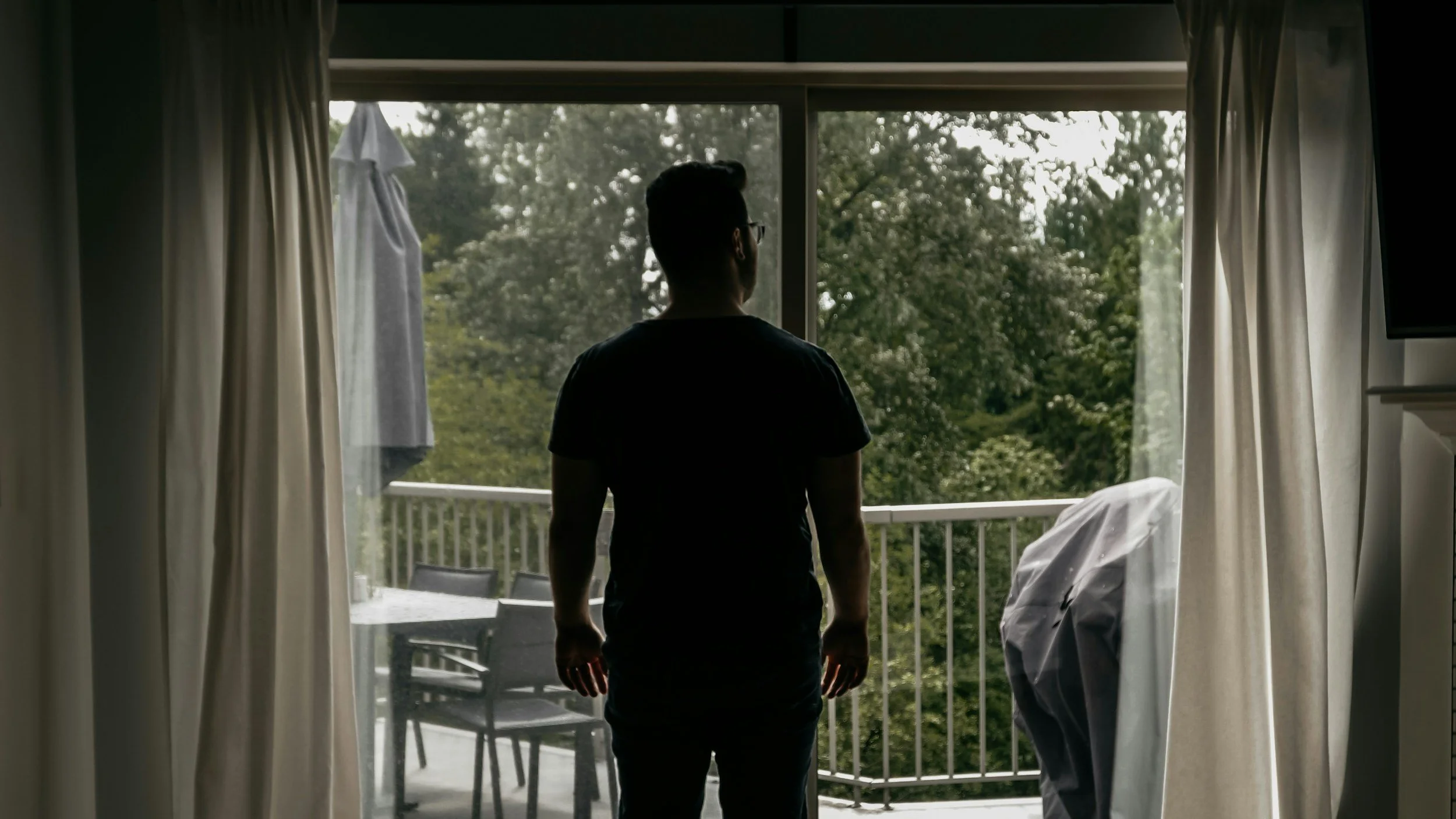
Meet Joe
Joe was invited to a coworker’s birthday gathering three weeks ago. At the time he was invited, he wanted to go. He likes his coworker, and he knew it would be good to connect with people outside of work. But from the moment he saw the invitation, his mind was already consumed with what might go wrong. What if he didn’t know what to say? What if he stood in the corner looking awkward and everyone noticed? What if he said something that came out wrong? By the day of the event, Joe’s anxiety had built to the point where he texted a last-minute excuse and stayed home. The relief was immediate, and then the shame set in. He spent the rest of the evening going over the decision, wondering what his coworkers thought of him, and telling himself he should have just gone.
How the Anxiety Cycle Works
From a cognitive behavioral perspective, social anxiety isn’t random; it follows a predictable pattern. It starts with a belief, usually formed early in life, that others are evaluating us harshly and that being negatively judged would be catastrophic. These core beliefs shape how we interpret social situations, even when the evidence doesn’t support them, causing a cycle of thinking and acting in self-protective ways that ultimately make things worse.
What the anxiety cycle tends to look like in practice:
A trigger, like an upcoming meeting, a party, or a phone call, activates automatic thoughts like “everyone will notice I’m nervous,” “I’ll say something stupid,” or “they already don’t like me.”
Attention then turns inward, with the person monitoring their own tone of voice, facial expression, and perceived reactions from others.
Safety behaviors kick in, such as avoiding eye contact, over-preparing, staying quiet, or leaving early. These strategies feel protective in the moment but prevent the underlying beliefs from ever being tested.
Afterward, the person replays the interaction, focuses on perceived failures, and assumes the worst about how others saw them. The original beliefs are strengthened, and the next social situation feels even more threatening.
Here’s something else important to notice about this situation: safety behaviors, the things people do to feel safer in the moment, actually maintain the anxiety over time. If you leave a party early and nothing bad happened, your mind learns “I escaped just in time,” not “it was never dangerous.” The threat never gets disconfirmed.
What Treatment Looks Like
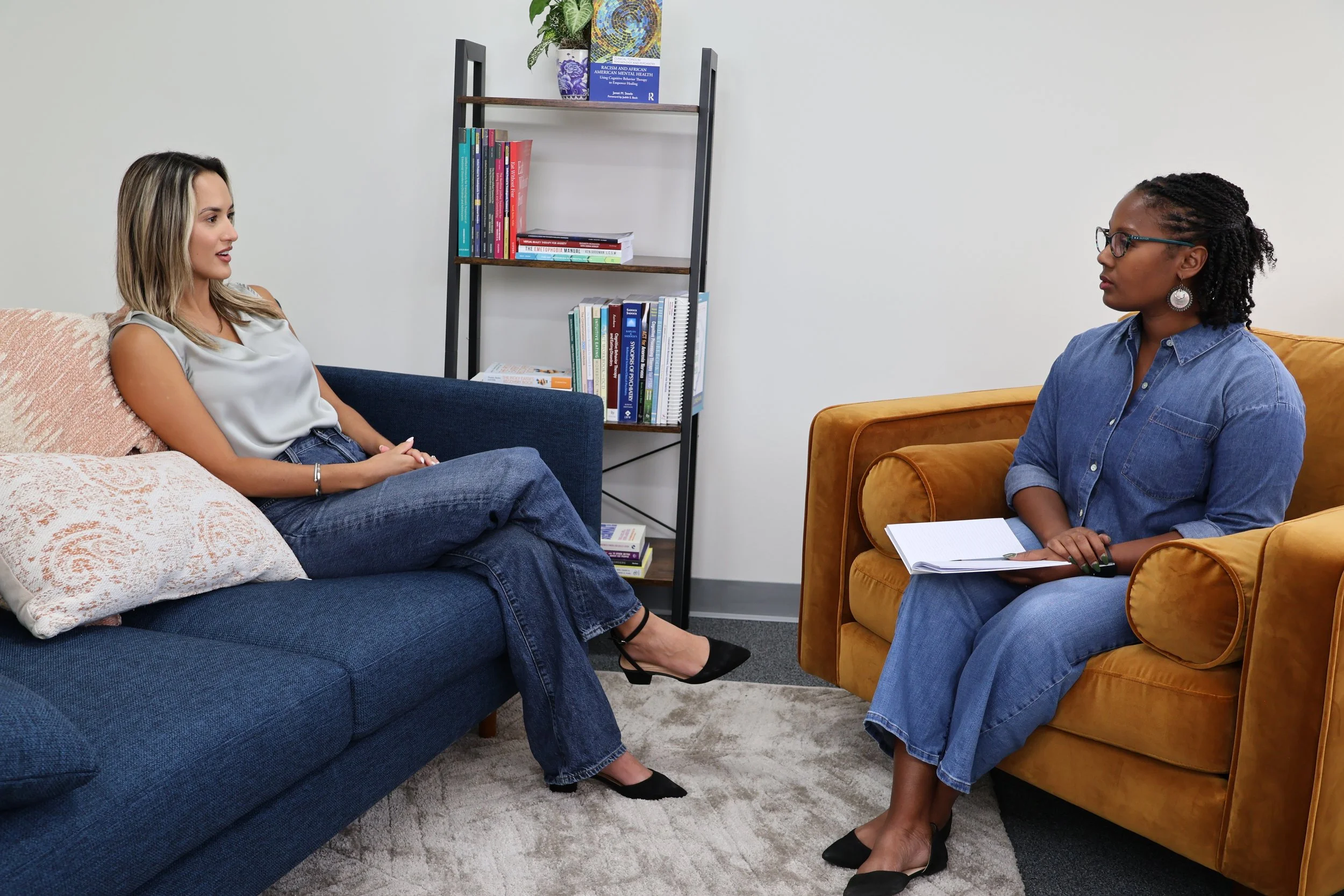
Simply forcing yourself into feared situations can sometimes make anxiety worse if the underlying beliefs aren't addressed at the same time. This is why well-intentioned encouragement from friends and family often doesn't move the needle. Telling someone with social anxiety to "just be confident" usually doesn’t work either. What does tend to work is structured, purposeful exposure to feared social situation paired with cognitive restructuring; that is, examining the thoughts that drive the fear, testing them against reality, and gradually building new, more accurate ways of interpreting social situations.
For this reason, Cognitive Behavioral Therapy is the gold standard for social anxiety, with a strong evidence base behind it. Treatment typically involves identifying and challenging distorted automatic thoughts, reducing self-focused attention, dropping safety behaviors, and working through gradual exposures, building toward situations that previously felt impossible.
Many people see meaningful improvement within a few months of consistent work. The goal isn’t a personality transplant; it’s helping someone move through the world with less fear and more freedom.
Whether you’ve been quietly managing these feelings for years or are just starting to wonder if what you feel goes beyond shyness, reaching out to a CBT therapist who specializes in anxiety is a meaningful first step.
You deserve support that actually addresses what’s keeping the cycle going.

Ready to Get Help?
If you or someone you love is struggling with social anxiety, know that help is available. Working with a therapist trained in CBT can lead to powerful and lasting change. Dr. Steele and the providers at CBT of Central & South Florida specialize in treating social anxiety and related conditions using evidence-based approaches.
About Janeé Steele PhD, LMHC
Dr. Janeé Steele (she/her) is a licensed mental health counselor (LMHC) and certified therapist through the Academy of Cognitive and Behavioral Therapies. She holds a master’s degree in counseling and a Ph.D. in counselor education and supervision.
With advanced training in cognitive behavioral therapy (CBT), Dr. Steele works with adults navigating challenges related to depression, anxiety, and racial trauma.
