
When parents accidentally feed Anxiety & OCD: How SPACE treatment can help parents better support their teens and young adults
How do we give our growing kids the opportunity to work through their distress AND not accidentally get in their way? Parents want their kids to thrive, and the key to that may mean changing our own ways of supporting them when they struggle.
For a teenager or young adult, living with an anxiety disorder or OCD can be extremely debilitating. OCD & Anxiety disorders can lead to high distress and significant interference like school avoidance, failure to launch, separation concerns when it’s no longer developmentally appropriate, and an inability to take care of one’s responsibilities because of the anxiety.
While teenagers and young adults live in their childhood home, there are ways to support them to break this cycle. With support, parents and caregivers can give them the opportunity to manage their condition, and cause it to have less interference in their lives AND in the lives of their loved ones.
Anxiety and OCD doesn’t just impact the individual; typically, we see it take over the whole household. Parents and families may find themselves rearranging family routines, providing repeated reassurance, stepping in to prevent distress or walking on eggshells around the anxiety and OCD. It can lead to a lot of family dysfunction as everyone re-arranges their roles in the family to reduce distress, even if temporarily, from the teenager or young adult that has the condition.
Before you realize it, an outsider looking in may think the whole family suffers from the condition as the loved ones participate in the OCD rituals.
Parents can inadvertently become caught in complicated cycles of distress → parental intervention → short-term relief → continued dependence/avoidance.
This issue of dependence starts to feel like a red flag for parents. In teenage years, it is developmentally appropriate to seek autonomy and independence, though parents may still be involved in things like transportation, appointments, finances, academics, medication management, and communication with others.
OCD and anxiety can get in the way of attaining certain developmental milestones, and increase the amount that the parents are doing for their child. Not only that, but this dependence can get severe to the point where the child is not able to function (i.e., impacting eating, sleeping behaviors, basic hygiene or toileting).

What is “family accommodation” for anxiety & OCD?
An accommodation is anything we do as parents, caregivers, or family members to reduce the teens’ or young adults immediate distress. The behavior of the parents, honestly, makes sense… The accommodation is usually understandable and well-intentioned. Parents don't want to see their kids suffer or have a hard time. Sometimes, parents also have so much on their plate that giving in to their child’s request may seem reasonable because they are trying to avoid a bigger meltdown, that the parents themselves may not have the bandwidth to tolerate. Ultimately, they're often trying to help their child cope in the moment.
For example, family accommodations may include:
Repeatedly reassuring your child that everything will be okay
Answering the same anxiety-driven questions over and over
Allowing avoidance of school, social situations, appointments, or responsibilities
Changing family routines around anxiety and fears
Speaking on behalf of an adolescent because they are anxious
Checking things repeatedly for them
Participating in rituals or safety behaviors
While it relieves the anxiety and OCD in the moment, unfortunately, many parents don’t realize that a child's avoidance of facing their fear or discomfort actually backfires. It makes the anxiety and OCD bigger and bigger in the long run, creating even more dysfunction despite our efforts to be helpful.
What can a parent do to support their anxious teen or young adult?
The recommended treatment for the individual experiencing anxiety and OCD is individual Exposure & Response Prevention (ERP). But, there are times where the teen or young adult may not be open or willing to engage in the treatment. There are many factors that can get in the way of a teen or young adult's readiness for change. Thankfully, we have a treatment called SPACE that can provide parents the evidence-based tools to help break these cycles even if their child does not participate in the treatment.
SPACE is a parent-based treatment developed by Dr. Eli Liebowitz and his team at the Yale Child Study Center to help children, adolescents and ‘failure to launch’ young adults with anxiety disorders and OCD. In this treatment, the child does not necessarily have to participate directly in sessions, instead, it is the parents that work on making changes in their patterns.
The central idea is that parents learn to respond to the teens’ or young adult’s anxiety or OCD in a different way. They learn how to be supportive without reinforcing avoidance or providing excessive accommodation. Indirectly, this allows for the teen or young adult to have to face some anxiety inducing situations and fears and experience working through it, due to the fact that the parent is not jumping in and fixing it for them.
Clinical trials support the efficacy of SPACE and indicate that it can be as effective as working directly with a child in therapy. Multiple randomized controlled trials indicate that SPACE is highly effective, including for patients with OCD as well as other anxiety problems.
Support vs. Accommodation: What it the difference?
Here is a simple comparison of a supportive response (a goal of SPACE treatment) versus an accommodating response (parents accidentally feeding the anxiety or OCD):

What does SPACE treatment actually look like?
While working with a therapist, parents can better understand the cycle of anxiety & OCD.
Parents will work on identifying accommodation patterns and recognize what is feasible and in their control to help break the cycle.
Next, parents will learn & practice using supportive statements to equip them to convey confidence in their child’s ability to handle hard things.
An important step in the process is helping the parents choose 1-3 targets or behaviors that the parents themselves will change in their response to their child’s anxiety. The therapist helps ensure the target is appropriate, that the behavioral plan is specific, feasible, and ‘stress-tested’ even before implementation. Most importantly, we choose the targets based on what would create meaningful change for the family.
The plan is formally announced to the child so that the individual can have a heads up that a change is happening in how the family responds to the anxiety or OCD and what they can expect.
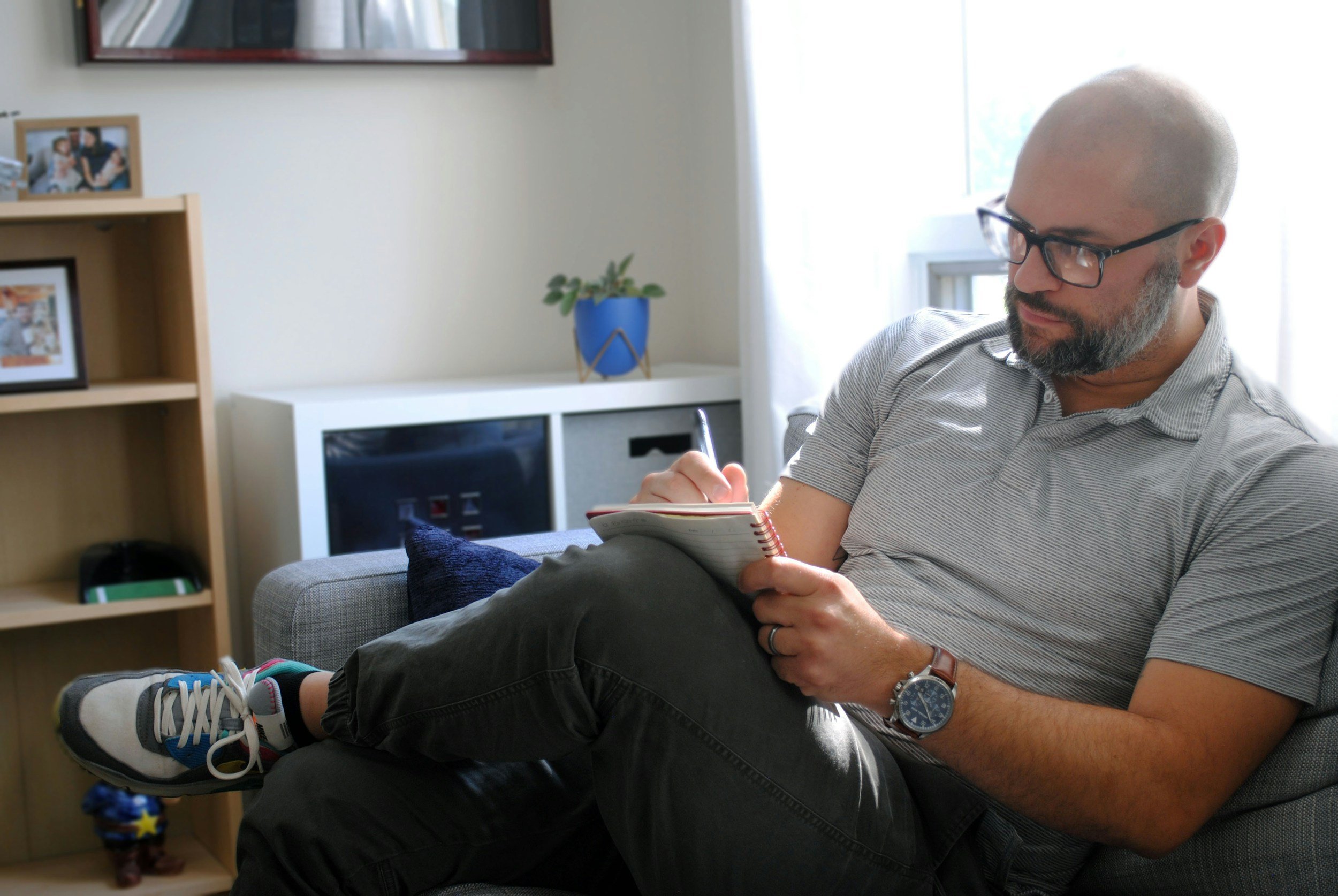
As part of the therapeutic process, parents will have the opportunity to practice these new parental responses and troubleshoot along the way. As the teen or young adult becomes more independent, the targets for treatment can be adjusted accordingly to move the family along.
SPACE is generally administered by licensed mental health professionals who have trained in the treatment method. To see which providers in our practice are trained in SPACE, you can find out more here & here. These providers can help determine if SPACE is appropriate and when additional care is needed. SPACE can be useful when a teen or young adult is not motivated to participate in therapy or cannot participate due to other barriers. If the teen or young adult has tried other treatments, such as ERP, but still has significant symptoms, it may also be helpful for parents to try SPACE and reduce family accommodations. While SPACE is a parent-focused intervention for anxiety & OCD, some teens and young adults may need additional individual, psychiatric, or other specialized treatment depending on their circumstances.
To schedule a 15 minute consultation and speak to a SPACE-trained provider, click here.

Additional resources:
International OCD Foundation: https://iocdf.org/about-ocd/ocd-treatment-guide/space/
SPACE Treatment Website: https://www.spacetreatment.net/
SPACE for Highly Dependent Adult Children (“Failure to Launch”): https://www.spacetreatment.net/_files/ugd/770d1c_82e30ec7226a459d866e850271f0dd43.pdf